
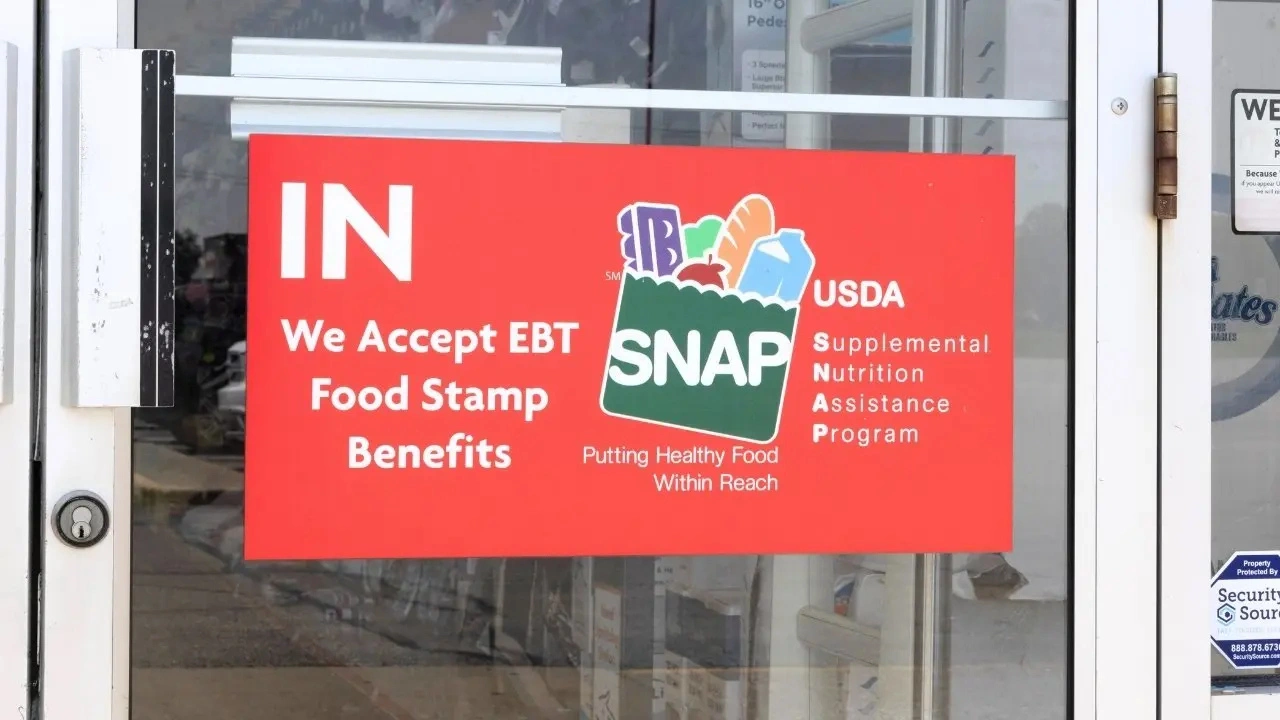
As 2026 moves forward, one of America’s most important support programs is entering a new phase. The Supplemental Nutrition Assistance Program (SNAP)—often called food stamps—is changing how people qualify and stay eligible.
These updates are not just about rules. They are about helping people connect with jobs, training, and long-term stability.
Right now, SNAP supports around 41 million Americans, according to recent data. While this number is lower than the pandemic peak, it is still higher than before COVID-19. The government says these changes are meant to reflect today’s job market, longer working lives, and the need to support people beyond short-term help.
Let us break down what is changing, who is affected, and what this means for SNAP users in 2026.
Why SNAP Rules Are Changing in 2026
The changes come from a new law often referred to as the One Big Beautiful Bill (OBBBA). The main idea behind the law is simple: Supplemental Nutrition Assistance Program should help people eat today and prepare for tomorrow.
Instead of only offering food help, the program now focuses more on:
- Job training
- Work participation
- Employer connections
The goal is not to cut people off suddenly. Instead, the aim is to help Supplemental Nutrition Assistance Program users move toward steady employment when possible.
New Work Requirements for Supplemental Nutrition Assistance Program Recipients
Expanded Age Limit: Now Up to 64 Years
One of the biggest updates is the age expansion. Earlier, work-related requirements mainly applied to adults under 55. Now, the participation age goes up to 64 years.
This change recognizes that:
- People are living longer
- Many adults aged 55–64 still want or need to work
- Older workers remain valuable in today’s economy
This is not meant as pressure. It is designed to open doors to training and job options for people who are still able and willing to work.
Changes for Parents and Caregivers
The rules have also been updated for parents and caregivers.
If the youngest child in the household is 14 or older, parents may now be included in workforce-related SNAP activities. The thinking is practical:
- Teenagers are more independent at school
- Parents may have more time to return to work
- This stage can be ideal for career rebuilding
These changes aim to support families while respecting real-life responsibilities.
Groups Newly Included in SNAP Workforce Programs
Supplemental Nutrition Assistance Program updates now bring several groups under the same support system:
- Veterans
- Young adults leaving foster care
- People experiencing homelessness
These groups often face job barriers. SNAP workforce programs can offer:
- Skill training
- Daily structure
- Work experience
- Community support
The idea is to improve economic stability, not just food access.
How States Are Managing the Changes
Supplemental Nutrition Assistance Program is a federal program, but states manage how rules are applied. Under the new system:
- States have flexibility
- Local job markets are considered
- Training hours and reporting systems may differ
Many states are now partnering with:
- Local employers
- Job training centers
- Workforce agencies
This helps ensure that SNAP requirements are realistic and useful, not just paperwork.
SNAP Eligibility Changes at a Glance
Here is a simple table to explain the key updates:
| Area | What’s Changing in 2026 |
|---|---|
| Age Limit | Work focus expanded up to 64 years |
| Parents | Applies if youngest child is 14+ |
| New Groups | Veterans, foster youth, homeless individuals |
| Focus | Training and job connections |
| State Role | More flexibility for local needs |
The Real Goal Behind SNAP Changes
Supporters of the reform say this is about dignity, not punishment. The main goal is to help people leave SNAP naturally by earning enough through stable work.
Success will be measured by:
- Continued food security
- More SNAP users finding long-term jobs
- Stronger links between benefits and opportunity
SNAP in 2026 is trying to balance help today with hope for tomorrow.
The SNAP changes coming in 2026 mark a major shift in how food assistance works in the United States. Instead of acting only as emergency support, SNAP is now being shaped as a bridge toward employment and independence.
By expanding age limits, supporting parents, and including vulnerable groups like veterans and foster youth, the program aims to reflect modern life. While the new requirements may feel challenging for some, the focus remains on maintaining nutrition while creating real chances for growth, skills, and stability in the long run.
FAQs
Will everyone on SNAP need to work in 2026?
No. Only people who are able to work and fall under the updated rules will need to participate in training or job activities.
Does this mean SNAP benefits are ending?
No. SNAP benefits are not ending. The goal is to connect people to jobs, not remove food support suddenly.
When do the new SNAP rules fully apply?
The changes started in late 2025 and will continue rolling out through 2026, depending on your state.